Bone Graft

Bone grafting for dental implants

If you’re in need of a dental implant but don’t have a sufficient amount of bone to stabilize it, you may be in need of a bone graft. Bone grafting is a technique used to create a stable foundation for an expected dental implant.

Why Choose Dr. Kim for prevention and maintenance?

Unparalleled Expertise

As a prosthodontist, Dr. Kim is a specialist in this exact procedure. An additional 3 years of extensive residency training after dental school gives her unique know-how to see your case more comprehensively and understand the complexities of a healthy bite.

Cutting-Edge Technology

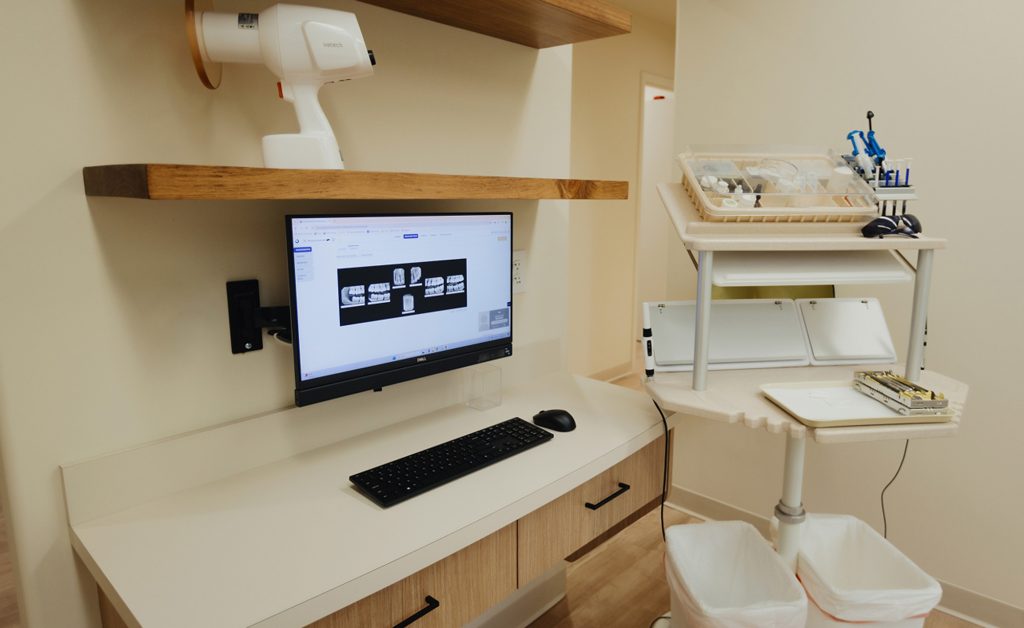
Every detail in dentistry matters. Dr. Kim works with the best-in-class team who also values modern technology and has hand-picked every tool, material, and component used on your tooth to optimize the longevity of your dental work.

Empowered Education

It is paramount that you feel empowered about your teeth & dental care. Dr. Kim enjoys simplifying what is complex about dentistry. She intentionally embeds time necessary (without extra cost) to fully discuss all your questions.

Trusted Results

Your work should last and look fantastic. Other dentists love working with Dr. Kim because she quarterbacks your care and delivers with consistent excellence. Other health professionals go to her for their own dental care. Our motto is: Do dental work once, maintain it for life.v

the process

STEP 1

Comprehensive Oral Exam: We will review your medical & dental history that pertains to your current status of your teeth. X-rays will be taken to check on bone level & interproximal decay. Dr. Kim will perform a thorough exam of your teeth, gums, and complete an oral cancer screening.

STEP 2

Treat The Issue: Once the course of action is determined, Dr. Kim will treat the area to help alleviate your pain.

STEP 3

Post-Care Recommendations: Personalized recommendations will be given for you to maintain your oral health.

STEP 4

Follow Up: Dr. Kim will check-in and see how you’re feeling to ensure you’re no longer in any discomfort.

STEP 5

Ongoing Care: Schedule routine visits so we can monitor any health concerns and prevent toothaches from arising.

WHY US

What Makes Montvale Prosthodontics Unique?

We value relationships and have your best interest at heart.


Our patients often comment that they have never had an exam as thorough as ours.


Modern dental solutions make it easy for you to have a bright, even, healthy smile.

82 Five-Star Google Reviews

What People Are Saying About Us

View all reviews

FAQ

How do I know if I need bone grafting?

Bone grafting is typically recommended after a tooth extraction. When the tooth is removed, you’re left with an empty socket where the tooth was. Naturally your body will continue to shrink your bone to promote healing. The less bone there is, the less likely you are to be a good candidate for implants. The same applies for a missing tooth.

What material is used for bone graft?

There are a few sources for the material. The one most commonly used is from a human or animal donor, or a synthetic bone material. Both have been proven to be safe and effective to preserve bone in the mouth.

What happens if I don’t get bone grafting before an implant?

If you have an overall decent foundation but it needs some extra support, that is where bone grafting will come in. When you have a missing tooth, you’re left with an empty socket. When left empty it can start to shrink overtime. This shrinkage will mean an unstable foundation for an implant.

When is it too late to get bone grafting?

If you’re interested in dental implants after having missing teeth for years, bone grafting could still help you create the stable foundation needed. Even in cases where teeth have been missing for a long time and there’s bone loss. It’s best to schedule an appointment to determine if bone graft can help you.

Is bone grafting painful?

Most patients experience little to no pain during the procedure due to the use of local anesthesia. Sedation options are available to help you relax throughout the process. After the bone graft, some discomfort and swelling are normal but can usually be managed with OTC pain relievers and antibiotics. Following post-procedure care instructions, including ice packs and gentle rinsing, will help minimize discomfort and promote a quick recovery.

How long after bone grafting do I have to wait to get an implant?

In most cases, the bone graft will take three to six months to heal. It’s best to make sure you’re fully healed and the bone graft has integrated with your natural bone. This will set you up for dental implant success.