

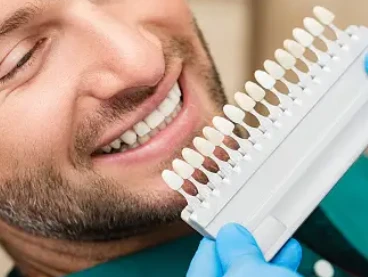
Dental veneers are one of the most versatile and impactful cosmetic treatments available — capable of correcting multiple aesthetic concerns at once and delivering results that look completely natural. Whether you’re dealing with staining that whitening can’t fix, chips or cracks that catch your eye every time you smile, or teeth that are slightly uneven or misshapen, veneers offer a long-lasting solution that addresses all of it in just a couple of appointments.
At Magnolia Way Dentistry in Apex, NC, Dr. Wayand designs and places custom dental veneers with a focus on results that enhance your smile without looking overdone. The goal is always a result that looks like the best version of your natural teeth — not a cosmetically obvious transformation.
What Are Dental Veneers?
Dental veneers are ultra-thin shells — typically made from porcelain or composite resin — that are bonded to the front surface of your teeth. Each veneer is custom-crafted to match the size, shape, and shade that will complement your facial features and surrounding teeth. Once placed, they cover imperfections and create a uniformly attractive smile while preserving the underlying natural tooth structure.
Porcelain veneers are the most popular choice for their durability, lifelike translucency, and exceptional resistance to staining. Composite resin veneers are an alternative that can be completed in a single visit and require less enamel removal, though they are generally not as long-lasting as porcelain.
What Cosmetic Concerns Can Veneers Correct?
Dental veneers are a highly effective solution for a wide range of cosmetic issues, including:
- Permanent staining or discoloration that doesn’t respond to professional whitening — including staining from tetracycline antibiotics, fluorosis, or internal tooth darkening
- Chipped or cracked teeth that affect the appearance of your smile
- Worn-down teeth that look shorter than they should
- Mildly crooked or uneven teeth where the misalignment is primarily cosmetic rather than functional
- Gaps or spaces between teeth
- Teeth that are misshapen, too small, or disproportionate to neighboring teeth
Because veneers can address several of these issues simultaneously, they’re a popular choice for patients looking for a comprehensive smile improvement without multiple separate treatments.
Porcelain Veneers vs. Composite Veneers — Which Is Right for You?
Porcelain Veneers
Porcelain veneers are the gold standard in cosmetic dentistry. They are custom-fabricated in a dental laboratory, making the process a two-visit treatment — one appointment for preparation and impressions, and a second to bond the finished veneers.
- Highly natural appearance — porcelain mimics the light-reflecting properties of natural enamel
- Exceptional stain resistance — coffee, tea, and wine won’t discolor porcelain
- Long-lasting — with proper care, porcelain veneers typically last 10 to 20 years
- Requires minimal but irreversible enamel preparation
Composite Resin Veneers
Composite veneers are applied and sculpted directly on the tooth in a single appointment — no laboratory fabrication required. They require less or no enamel removal in many cases and can be repaired easily if chipped.
- Completed in one visit — less time commitment
- More conservative tooth preparation in most cases
- Generally less expensive than porcelain
- More susceptible to staining and wear over time — typically last 5 to 7 years
Dr. Wayand will discuss both options during your consultation, helping you choose based on your aesthetic goals, budget, timeline, and how your teeth are currently positioned and shaped.
The Porcelain Veneer Process — What to Expect
Consultation and Smile Design
Your veneer journey begins with a thorough consultation. Dr. Wayand evaluates the health of your teeth and gums (any underlying issues need to be addressed before veneers are placed), discusses your aesthetic goals in detail, reviews shade and shape options, and helps you build a realistic picture of what your results will look like.
This is the most important part of the process — a great veneer outcome depends on clear communication about what you want, and honest guidance from Dr. Wayand about what will look natural for your specific smile and facial structure.
Tooth Preparation
At your preparation appointment, a small, precise amount of enamel — typically less than a millimeter — is removed from the front surface of each tooth receiving a veneer. This creates space for the veneer to sit flush with surrounding teeth rather than appearing bulky. Local anesthesia ensures the appointment is entirely comfortable.
Impressions or a digital scan of your prepared teeth are taken and sent to the dental laboratory, where your custom porcelain veneers are fabricated. Temporary veneers are placed to protect your teeth and give you a preview of your new smile while the permanent veneers are being made — typically two to three weeks.
Veneer Placement and Bonding
At your second appointment, Dr. Wayand carefully checks the fit, color, and appearance of each veneer before bonding. Adjustments are made as needed. Each veneer is then permanently bonded to the tooth using a strong dental adhesive and cured in place with a light. Final shaping and polishing complete the process.
The result is immediately visible — and for most patients, genuinely transformative.
How Long Do Dental Veneers Last?
Porcelain veneers, with proper care, typically last between 10 and 20 years before replacement may be needed. Composite veneers generally last 5 to 7 years.( please remove info about composite veneers) Lifespan depends on your oral hygiene habits, whether you grind or clench your teeth, and how well you protect your veneers from excessive force.
To maximize the lifespan of your veneers:
- Brush and floss daily — veneers themselves don’t decay, but the tooth structure around them can
- Wear a custom night guard if you grind or clench your teeth during sleep
- Avoid biting directly into very hard foods — ice, hard candies, and similar items can chip veneers
- Keep up with regular checkups and cleanings at Magnolia Way Dentistry
Veneers are a long-term investment in your smile — and with the right care, they’re one that pays off for many years.
Are Dental Veneers Right for You?
Veneers are an excellent cosmetic option for patients who:
- Have healthy teeth and gums with no active decay or untreated gum disease
- Want to address cosmetic concerns that whitening, bonding, or orthodontics alone can’t fully correct
- Are committed to the maintenance and care that protects the investment
- Understand that enamel preparation for porcelain veneers is a permanent, irreversible process
Patients with significant bite misalignment, active teeth grinding without a protective guard, or major structural tooth damage may need to address those issues first — or may be better served by alternative treatments. Dr. Wayand will walk you through every consideration honestly during your consultation, so you can make a fully informed decision.
Veneers as Part of a Complete Smile Makeover
Many patients combine veneers with other cosmetic treatments for a comprehensive result. Professional teeth whitening applied to non-veneered teeth, Invisalign to improve alignment before veneer placement, or dental bonding on a single tooth that doesn’t warrant a full veneer are all common combinations. Dr. Wayand can help you plan a sequenced approach that achieves your overall smile goals efficiently and cost-effectively.
Frequently Asked Questions
The cost of dental veneers at Magnolia Way Dentistry depends on the type of veneer (porcelain or composite), the number of teeth being treated, and the complexity of your specific case. Porcelain veneers are a premium cosmetic treatment and are generally not covered by dental insurance. During your consultation, Dr. Wayand will provide a clear, detailed cost estimate so you know exactly what to expect. CareCredit financing is available to help make treatment more accessible.
Porcelain veneers are considered a permanent treatment because a small, irreversible amount of enamel is removed from the tooth during preparation. Once that enamel is removed, the tooth will always need to be covered by a veneer or crown. The veneers themselves are not permanent — they will eventually need to be replaced, typically after 10 to 20 years. Composite veneers, which require little to no enamel removal in most cases, are considered semi-permanent.
Yes — when designed well, porcelain veneers are virtually indistinguishable from natural teeth. Porcelain has a translucency and light-reflecting quality that closely mimics natural enamel. At Magnolia Way Dentistry, Dr. Wayand designs veneers to complement your facial features and blend naturally with your surrounding teeth — the goal is always a result that looks like the best version of your own smile, not an obviously cosmetic one.
No special maintenance is required beyond your regular oral hygiene routine — brushing twice daily, flossing, and keeping up with your six-month checkups and cleanings. If you grind or clench your teeth, a custom night guard is strongly recommended to protect your veneers from chipping or fracture. Avoid biting directly into very hard foods, and your veneers can last well over a decade.
Veneers can improve the appearance of mildly uneven or slightly misaligned teeth — but they are a cosmetic solution, not an orthodontic one. They change the shape and appearance of individual teeth rather than moving the underlying teeth into correct positions. For patients with more significant misalignment, Dr. Wayand may recommend addressing the alignment with Invisalign first, then considering veneers for any remaining cosmetic refinements.
Porcelain veneers are highly resistant to staining — significantly more so than natural enamel or composite resin. Coffee, tea, red wine, and similar staining agents generally do not discolor porcelain surfaces. However, the bonding material at the edges of veneers can pick up some staining over time. Composite veneers are more susceptible to staining. Keeping up with professional cleanings helps maintain the appearance of any veneer type
Both veneers and dental bonding use tooth-colored materials to improve the appearance of teeth, but they differ significantly in durability, process, and scope. Dental bonding uses composite resin applied and shaped directly on the tooth in a single visit — it’s best for minor repairs to one or two teeth and is fully reversible. Veneers — particularly porcelain — are custom-fabricated restorations that are more durable, longer-lasting, and stain-resistant, making them better suited for more comprehensive cosmetic improvements ( best for optimum esthetics) . Dr. Wayand will help you determine which approach is appropriate for your goals.
Yes. New patients interested in dental veneers are welcome at Magnolia Way Dentistry. Your first step is a consultation with Dr. Wayand, where he’ll evaluate your teeth and gums, discuss your cosmetic goals, and walk you through your options in detail. You can request an appointment online or call the office to get started.