

Tooth-Colored Fillings in Apex, NC — Natural-Looking Cavity Repair at Magnolia Way Dentistry
If you’ve ever been self-conscious about the dark metal spots on your back teeth, you’re not alone. Amalgam (silver) fillings have been the standard in dentistry for decades — but they come with a trade-off most patients would rather avoid: every time you smile or laugh, they’re visible.
At Magnolia Way Dentistry in Apex, NC, Dr. Wayand uses tooth-colored composite resin fillings to treat cavities and repair damaged teeth. These metal-free restorations blend seamlessly with your natural enamel — so the only thing people see when you smile is your smile.
What Are Tooth-Colored Fillings?
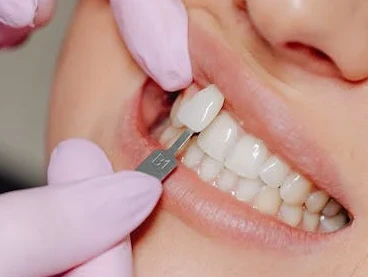
Tooth-colored fillings — also called composite fillings or white fillings — are made from a durable blend of fine glass and resin particles that can be precisely shaded to match your natural tooth color. Unlike silver amalgam fillings, which are noticeable against tooth enamel, composite fillings become virtually invisible once placed.
Beyond aesthetics, composite resin bonds directly to the tooth structure. This means the filling actually reinforces the tooth rather than simply sitting inside a cavity preparation — which is one of the reasons tooth-colored fillings have become the preferred restorative option for both new cavities and replacing older amalgam restorations.
Tooth-Colored vs. Silver Amalgam Fillings — What’s the Difference?
Appearance
Composite resin is color-matched to your existing tooth shade and is virtually undetectable once placed. Silver amalgam fillings are dark gray or black and highly visible, especially on upper and lower back teeth when you open your mouth or laugh.
Tooth Preservation
Placing an amalgam filling requires removing a larger portion of healthy tooth structure to create the retention shape needed to hold the filling in place. Composite resin bonds directly to the tooth, allowing for a more conservative preparation that preserves more of your natural enamel.
Temperature Sensitivity
Metal amalgam expands and contracts with temperature changes — hot coffee, cold water — at a different rate than natural tooth enamel. Over time, this repeated stress can cause small cracks to develop in the tooth around older amalgam fillings. Composite resin behaves more similarly to natural enamel, reducing this stress.
Durability
Modern composite resins are highly durable and well-suited for most restorations, including back teeth that endure significant chewing force. With proper care and regular checkups, tooth-colored fillings typically last many years. Very large cavities in high-stress areas may occasionally call for a crown rather than a filling — Dr. Wayand will always recommend the most conservative option that will hold up long-term.
Replacing Old Silver Fillings with Tooth-Colored Restorations
Many patients at Magnolia Way Dentistry choose to replace their older amalgam fillings with tooth-colored composite — both for cosmetic reasons and because aging amalgam fillings can crack, leak, or deteriorate over time.
Dr. Wayand evaluates each existing filling individually. If an old filling is in good condition and causing no issues, replacement for purely cosmetic reasons is a personal choice rather than a clinical necessity. If a filling is cracked, leaking, has decay developing underneath it, or is causing the tooth to crack, replacement becomes clinically appropriate.
During any routine exam, the condition of your existing restorations is assessed — so you’ll always have an honest picture of where your fillings stand.
What to Expect During a Tooth-Colored Filling Appointment
Getting a tooth-colored filling at Magnolia Way Dentistry is a straightforward, single-visit procedure. Here’s how it typically goes:
- Local anesthesia is administered to ensure the area is fully numb before any work begins
- Decayed or damaged tooth material is carefully removed
- The tooth is cleaned and conditioned to prepare the surface for bonding
- Composite resin is applied in thin layers, each hardened with a curing light
- The filling is shaped and contoured to match your natural tooth anatomy
- Your bite is checked and fine-tuned to ensure proper alignment and comfort
Most filling appointments are completed comfortably in under an hour. You can eat and drink normally once the anesthesia has worn off — typically within a couple of hours.
Caring for Your Tooth-Colored Fillings
Composite fillings don’t require any special maintenance beyond your regular oral hygiene routine. Brushing twice daily, flossing once a day, and keeping up with your six-month checkups at Magnolia Way Dentistry will protect both the filling and the tooth around it.
A few things to be aware of long-term:
- Composite resin can stain over time with heavy consumption of coffee, tea, red wine, or tobacco — though this is typically a surface stain that can be polished at your routine cleaning
- Grinding or clenching your teeth places extra stress on fillings and can shorten their lifespan — if Dr. Wayand notices signs of grinding, he may recommend a night guard
- Any new sensitivity, pain when biting, or noticeable change in how your bite feels should be reported promptly — these can be early signs that a filling needs attention
Tooth-Colored Fillings for the Whole Family in Apex, NC
Magnolia Way Dentistry treats patients of all ages — from children getting their first cavity filled to adults replacing decades-old metal restorations. Composite fillings are well-suited for patients of every age, and the calm, unhurried approach at this practice makes even restorative appointments something patients — especially kids — handle better than they expect.
Serving families across Apex, Cary, Holly Springs, Fuquay-Varina, and Raleigh, Magnolia Way Dentistry is a convenient, trusted choice for metal-free dental care close to home.
Frequently Asked Questions
Yes — modern composite resin materials are highly durable and strong enough for use on back teeth that handle significant chewing forces. For very large cavities or heavily damaged teeth, a dental crown may occasionally be a better long-term option than a filling, regardless of material. Dr. Wayand will always recommend the most conservative approach that will hold up reliably based on your specific situation.
With proper care, tooth-colored composite fillings typically last 7 to 10 years or longer. Lifespan depends on the size and location of the filling, your bite habits, and how well you maintain your oral hygiene. Regular checkups at Magnolia Way Dentistry allow Dr. Wayand to monitor the condition of your fillings and catch any issues early.
It depends on the condition of the existing filling. If an amalgam filling is cracked, leaking, deteriorating, or has developed decay underneath, replacing it is clinically appropriate — and tooth-colored composite is the natural choice for the replacement. If the filling is structurally sound and causing no issues, replacement is a cosmetic preference. Dr. Wayand will give you an honest evaluation of each filling and let you make an informed decision.
No. Local anesthesia is used to ensure the area is completely numb before any preparation begins. Most patients feel nothing more than minor pressure during the procedure. Any soreness or sensitivity in the days following placement is mild and temporary. If sensitivity persists beyond a week or two, contact the office so it can be evaluated.
Yes. Composite resin fillings are appropriate for patients of all ages, including children. They are an excellent choice for filling cavities in baby teeth as well as permanent teeth, and children often find the procedure more comfortable than they anticipated. The gentle, unhurried approach at Magnolia Way Dentistry helps young patients feel at ease throughout their appointment.
Most dental insurance plans cover composite fillings, though some plans may only cover them at the amalgam rate for back teeth — meaning you may be responsible for a small difference in cost. The team at Magnolia Way Dentistry will verify your benefits before your appointment so you know exactly what to expect. CareCredit financing is available for patients who need flexible payment options..
Many small cavities cause no pain or visible signs — they’re only detectable during a professional exam and X-rays. Larger or more progressed cavities may cause tooth sensitivity to temperature, sweetness, or pressure, a visible dark spot on the tooth, or a rough, chipped surface. The best way to catch cavities early — when they require the least treatment — is through regular checkups at Magnolia Way Dentistry every six months.